
Table of Contents
AI Impersonation Scam Targets US Companies
Federal prosecutors have charged three foreign nationals in a sophisticated fraud scheme that used advanced artificial intelligence (AI) to impersonate CEOs and attorneys. The alleged scheme operated between 2024 and 2026 and resulted in more than $129 million in losses across businesses in the United States and internationally. Two hospital systems in Missouri and California were among the victims.
According to the U.S. Department of Justice (DOJ) statement released on November 5, 2026, the suspects used technology described as “super intelligence” (SI) to replicate the voices and images of corporate executives and attorneys. By posing as trusted leaders and legal advisers, they convinced employees to authorize fraudulent wire transfers.
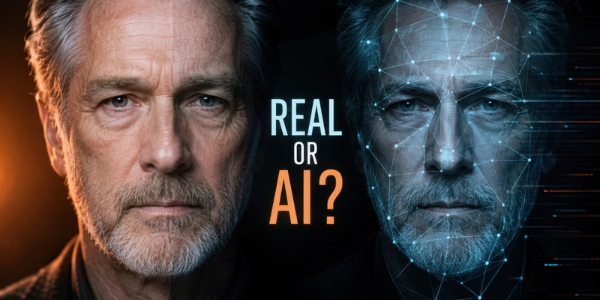
The case highlights an emerging cybersecurity threat: AI-powered impersonation can make fraudulent communications appear authentic, undermining traditional methods of verifying identity and financial transactions.
How the AI Impersonation Scam Worked
According to the federal indictment, the suspects used a coordinated approach to gain employees’ trust and manipulate them into transferring funds.
- Executive impersonation: Criminals contacted employees while posing as their company’s CEO, using AI-generated voices or images to establish credibility.
- Confidential financial requests: The impersonated executive described a sensitive business transaction that required the employee’s assistance and discretion.
- Attorney impersonation: Employees were directed to communicate with attorneys at major international law firms who were supposedly handling the transaction. The criminals then impersonated those attorneys to reinforce the deception.
- Fraudulent wire transfers: The fake attorneys instructed employees to transfer substantial funds to bank accounts controlled by the conspirators.
- Money laundering: Once they received the funds, the suspects allegedly converted the money into cryptocurrency to conceal its source and distribute the proceeds.
Investigators also discovered that one defendant maintained a handwritten script titled “Lawyer Call,” which included language intended to discourage employees from discussing the transactions with colleagues.
Hospital Systems Lose $7.8 Million in AI Fraud Scheme
Two hospital systems were among the victims: a Missouri-based system lost $4.83 million, and a California-based system lost $2.97 million, a combined loss of nearly $7.8 million. They were two of many targets in a scheme that allegedly cost companies worldwide more than $129 million.
Other identified victims included a Rhode Island bank ($2.68 million), a United Kingdom financial technology company ($11.58 million), a Massachusetts mutual fund company ($4.64 million), and a Florida pet food company ($5.24 million).
Together, these six organizations accounted for approximately $32 million of the $129 million allegedly stolen. The DOJ did not identify the companies by name. The stolen funds were transferred to bank accounts in several countries, including the United States, Spain, Portugal, Singapore, and China, before being converted into cryptocurrency to conceal their origins. The three defendants, Jacob Soall, Sharon Hazan, and Guy Sheetrit, were arrested in Spain and the United Kingdom between June and September 2026. Extradition requests remain pending.
Why AI Impersonation Is a Growing Healthcare Cybersecurity Threat
The case demonstrates how AI is making business email compromise (BEC) and executive impersonation fraud more sophisticated. Traditional BEC attacks often rely on spoofed email addresses, compromised accounts, or fraudulent payment instructions. AI-enabled attacks introduce another layer of deception by allowing criminals to convincingly imitate the voices and appearances of trusted individuals.
FBI Assistant Director in Charge James C. Barnacle, Jr., warned that the alleged scheme shows how advanced technology can be exploited for large-scale fraud. “As criminals continue to weaponize emerging technologies, the FBI remains committed to rapidly adapting our capabilities to identify, investigate, and disrupt those who seek to harm New Yorkers and businesses operating in our communities,” he said.
For healthcare organizations, the implications extend beyond financial fraud. Similar techniques could potentially be used to obtain employee credentials, gain unauthorized access to systems, or compromise protected health information (PHI).
These risks are particularly concerning for healthcare environments where staff routinely communicate with executives, vendors, business associates, and external service providers.
Steps to Prevent AI Impersonation Fraud
“We can combat these high-tech attacks with common-sense, low-tech solutions,” said Ron Bebus, PrivaPlan CIO, CSSP. “For years, we have instructed staff not to click links in emails. Instead, open your own browser and go to the known site. The same applies here. Do not assume everyone reaching out to you is legitimate. Ask for confirmation.”
Healthcare IT, cybersecurity, and finance teams should coordinate efforts to reduce exposure to AI-enabled fraud.
- Strengthen identity verification: Require independent confirmation of unusual financial requests through established communication channels, using contact information already on file.
- Enforce financial approval controls: Maintain dual authorization and documented approval procedures for significant wire transfers or changes to payment instructions.
- Recognize AI impersonation risks: Educate employees that familiar voices, realistic video appearances, and seemingly legitimate communications can be artificially generated.
- Identify social engineering warning signs: Treat urgent requests, demands for secrecy, and instructions to bypass standard procedures as potential indicators of fraud.
- Expand security awareness training: Include AI-generated voice and video impersonation scenarios in phishing and social engineering education, particularly for employees handling financial transactions or sensitive information.
- Prepare for rapid incident response: Establish clear procedures for reporting suspected fraud, contacting financial institutions, and preserving evidence for investigation.
Prevent AI Fraud With Independent Verification
The alleged $129 million fraud scheme illustrates how emerging AI capabilities can be exploited to bypass human judgment and established business relationships.
A familiar voice, recognizable face, or executive title should never replace independent verification and established security controls. “The attacker can look and sound like the person they are impersonating, but they cannot know details that the person knows. Ask!” said Bebus. “Either have predefined phrases that you both know that will confirm their identity, or if you have met in person, ask about that last meeting.”
As AI-driven social engineering attacks become more convincing, business leaders must ensure their employees, financial processes, and cybersecurity defenses are prepared to recognize and respond to these evolving threats.
Expand Your Cybersecurity Awareness Training
Our customized Cybersecurity Awareness Training is the key to building a resilient workforce. Our engaging awareness program is designed to empower your workforce with the knowledge they need to make informed decisions.
FAQs About AI Impersonation
What is AI impersonation fraud?
AI impersonation fraud occurs when criminals use artificial intelligence to imitate the voices, images, or identities of trusted individuals. These scams often target employees by posing as executives, attorneys, or business partners to obtain money, login credentials, or sensitive information.
How did criminals use AI to steal $129 million?
According to the DOJ, three defendants allegedly used advanced AI technology to impersonate corporate executives and attorneys between 2024 and 2026. Posing first as a company’s CEO and then as outside attorneys, they convinced employees to wire funds to accounts the conspirators controlled, then converted the money into cryptocurrency to conceal its source. The scheme resulted in more than $129 million in losses worldwide.
How much did hospitals lose in the $129 million AI fraud scheme?
Two U.S. hospital systems lost nearly $7.8 million combined. A Missouri-based hospital system lost approximately $4.83 million, while a California-based hospital system lost about $2.97 million.
Why is AI impersonation a cybersecurity threat to healthcare organizations?
AI-generated voices and images can make fraudulent communications difficult to distinguish from legitimate requests. Beyond financial fraud, these techniques could be used to steal employee credentials, gain unauthorized system access, or expose protected health information (PHI).
How can organizations prevent AI impersonation scams?
Healthcare organizations should require independent verification of financial requests, enforce dual approval for large transactions, and train employees to recognize AI-driven social engineering. Staff should also be encouraged to question unusual requests, especially those involving urgency, secrecy, or changes to established procedures.